
10 Practical Outdoor Uses for a Green Laser Pointer
From the farmyard to the riverbank: ten practical jobs where a class 2 green laser pointer earns its place in your pocket – with realistic distances and the safety rules for each.
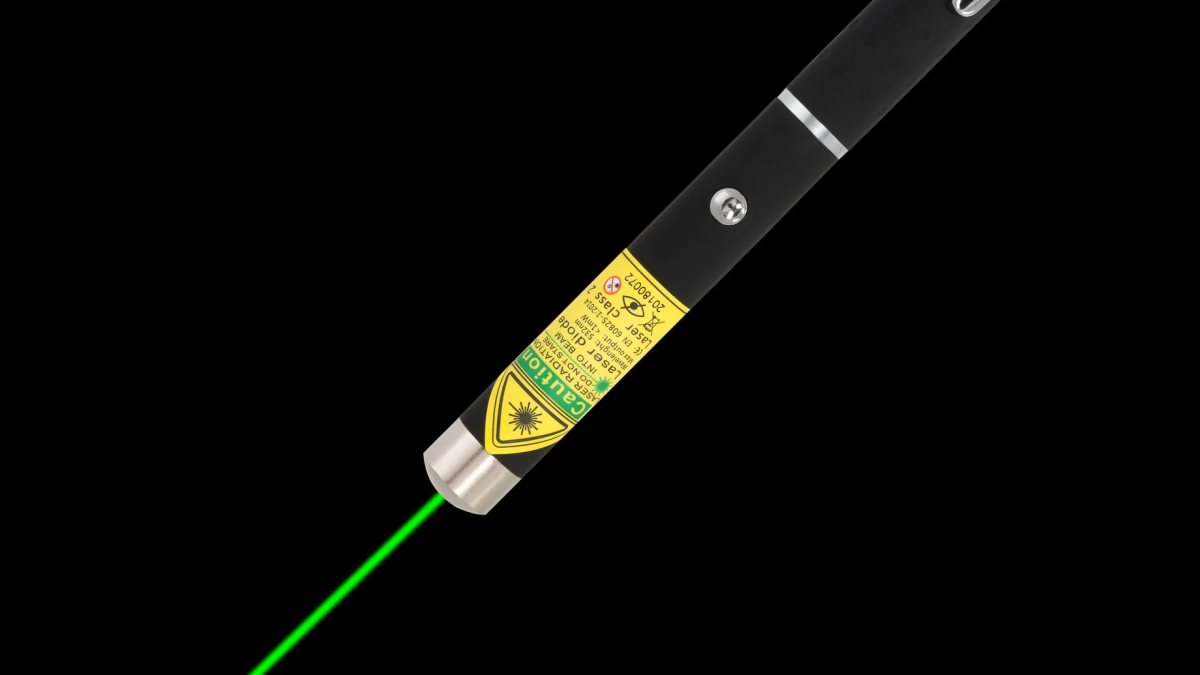
Most people think of a laser pointer as something for slides or the cat. Our customers mostly use theirs outdoors – often for jobs we had not thought of ourselves. Here are ten practical ways a green laser pointer earns its place in a coat pocket, glovebox or tractor cab, with realistic expectations for a class 2 laser (up to 1 mW, the class intended for sale to the public in the UK).
First, what to expect
A green dot is the most visible colour for the eye. Indicatively it is visible to approx. 100 m in daylight on a shaded surface, approx. 300 m at dusk and approx. 1 km in the dark. Most outdoor jobs below work best in low light. Our long-range laser pointer page compares green with red and violet.
1. Moving birds on at dusk
The number one reason people buy from us. Pigeons on roofs, gulls on boats, starlings at a roost, geese on a field: a slowly moving dot near them at dusk makes them move on. Full method in how to scare birds with a laser pointer.
2. Pointing out stars and planets
On a dark night the green beam is faintly visible, so people beside you can follow it to the star you mean. See stargazing with a laser pointer.
3. Showing a roofer or builder the problem
“That slate, third row from the ridge, left of the chimney” becomes “that one”. Point at a cracked tile, a blocked gutter or a loose flashing from the ground. Best on the shaded side or in the evening.
4. Giving directions across the yard or field
On a farm or estate, show a contractor or a new member of staff which gate, trough, gap in the hedge or ditch you mean, without walking over. At dusk the dot is visible across a typical field.
5. Marking a spot for a colleague on site
On a building site or in a warehouse, a dot on a beam, pipe or bracket saves a lot of shouting. Indoors, any colour works – a red laser is fine; outdoors in the evening, green carries further.
6. Mooring and boat handling
Show crew on your own boat which cleat, buoy or free berth you are aiming for, putting the dot on your own deck or on the pontoon – never on another boat or across the water. Our gulls and boats guide covers the water-safety rules.
7. Leading a guided walk
Walk leaders and rangers use a laser in the evening to point out a ridge, a landmark or a feature in the landscape. Keep the dot on the ground or rock, never on people or livestock.
8. Camping and evenings outdoors
Show the kids – from a safe adult’s hands – where the path continues, where the tent pegs are, or which star is Venus. A pattern lens or cap, as on the G1 Pro or X2, adds some fun on the tent wall.
9. Checking trees and hedges
Point out the branch that needs cutting back, the dead limb over the lane or the stretch of hedge to be laid. A tree surgeon on the ground and a colleague in the cab instantly know which branch you mean.
10. Talks outdoors
Open days, farm walks and outdoor lessons: a laser lets you point at the soil profile, the drainage scheme or the machine part from a distance while you face your audience. See laser pointers for presentations for presenting tips.
Getting the most out of a class 2 laser outdoors
- Use the light. Dusk and dawn triple the useful distance compared with daylight; in the dark it grows again.
- Pick a pale surface. A dot on a whitewashed wall, concrete or sand is much easier to see than on dark leaves or wet slate.
- Stand together. The person you are showing should stand close beside you and look along your arm.
- Keep the battery fresh. A charged cell keeps the dot at its best; in winter keep the laser in an inside pocket.
- Short bursts. Point, explain, switch off. It saves the battery and keeps the dot from wandering where you do not want it.
Why not red or violet?
Red and violet lasers have their place – red is calm on slides and fine across a room or yard, violet is striking after dark – but the eye is much less sensitive to them. At dusk a red dot is visible to approx. 100–150 m and a violet one to approx. 50 m (indicative), against approx. 300 m for green. For outdoor jobs, that gap decides it.
Which green laser for outdoor work?
| If you… | Choose |
|---|---|
| use it most evenings and share it with others | G3 Pro – rechargeable, two safety keys |
| want a pattern lens as well | G1 Pro |
| want it in your pocket every day | G2 Pro – compact, rechargeable |
| use it now and then | X1 – pen on AAA batteries |
All are class 2, up to 1 mW, and every unit is measured before shipping. Orders placed before 16:00 on a working day ship the same day and arrive in the UK in 2–5 working days with tracking.
The rules that apply to every job
- Never aim at eyes – people’s or animals’ – and never at livestock’s faces.
- Never at vehicles, tractors on the road, boats or aircraft. Check the sky before pointing upwards.
- Watch for reflections: windows, water, wet metal and mirrors.
- Know what is behind your target – the dot keeps going if you miss.
- Keep the laser away from children; remove the safety key where fitted.
Read our laser pointer safety page before first use – it takes two minutes.
More articles
Blog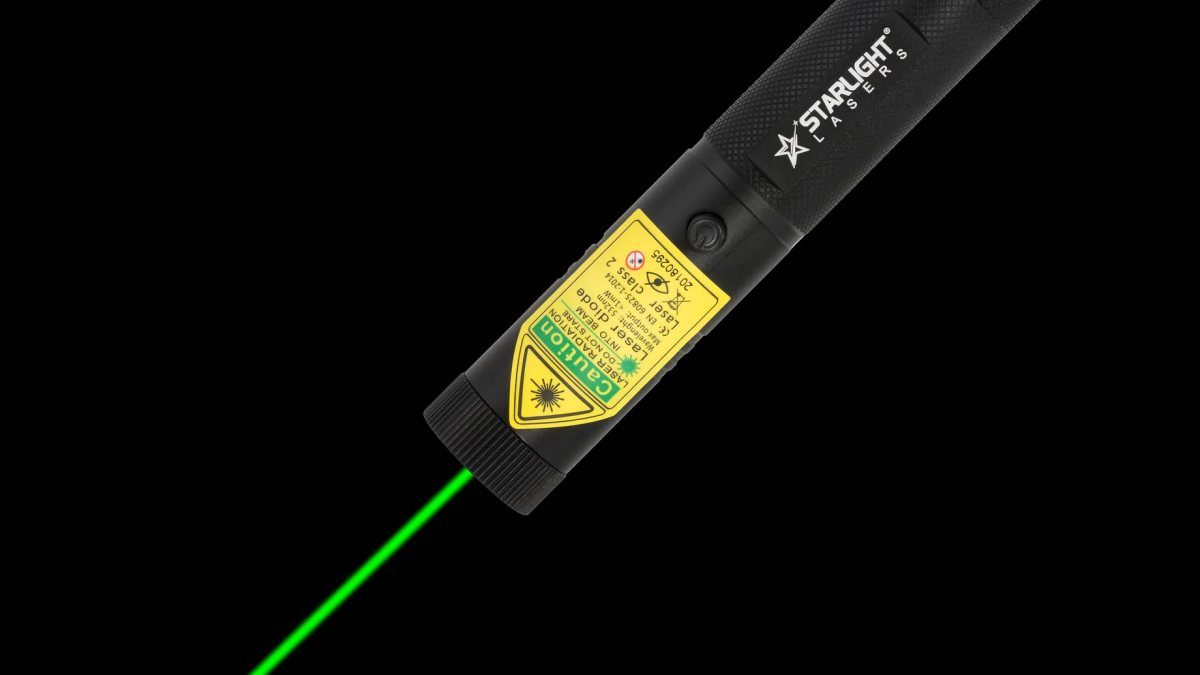
How to Scare Birds with a Laser Pointer: A Practical Plan for Farms, Gardens and Boats
Pigeons on the roof, gulls on the boat, starlings in the hedge, geese on the winter wheat: a site-by-site plan…
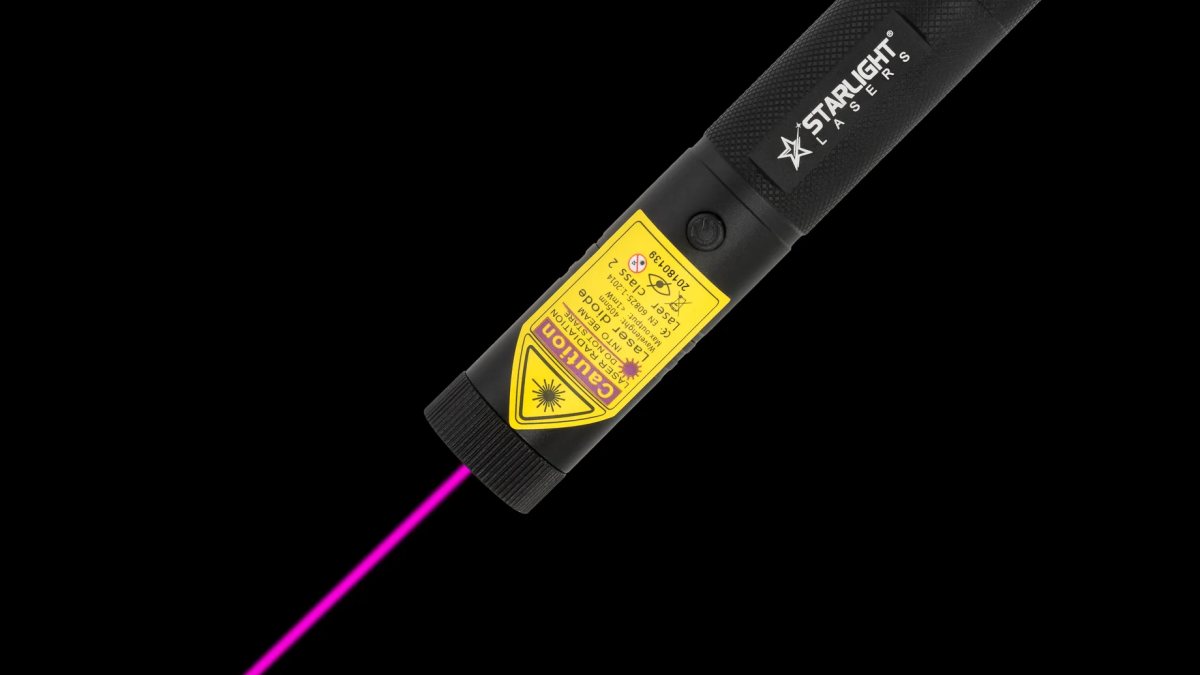
Stargazing with a Laser Pointer: What to Show in UK Skies, Season by Season
A green laser pointer makes it easy to show friends and family the stars. How to use one well, what to expect…
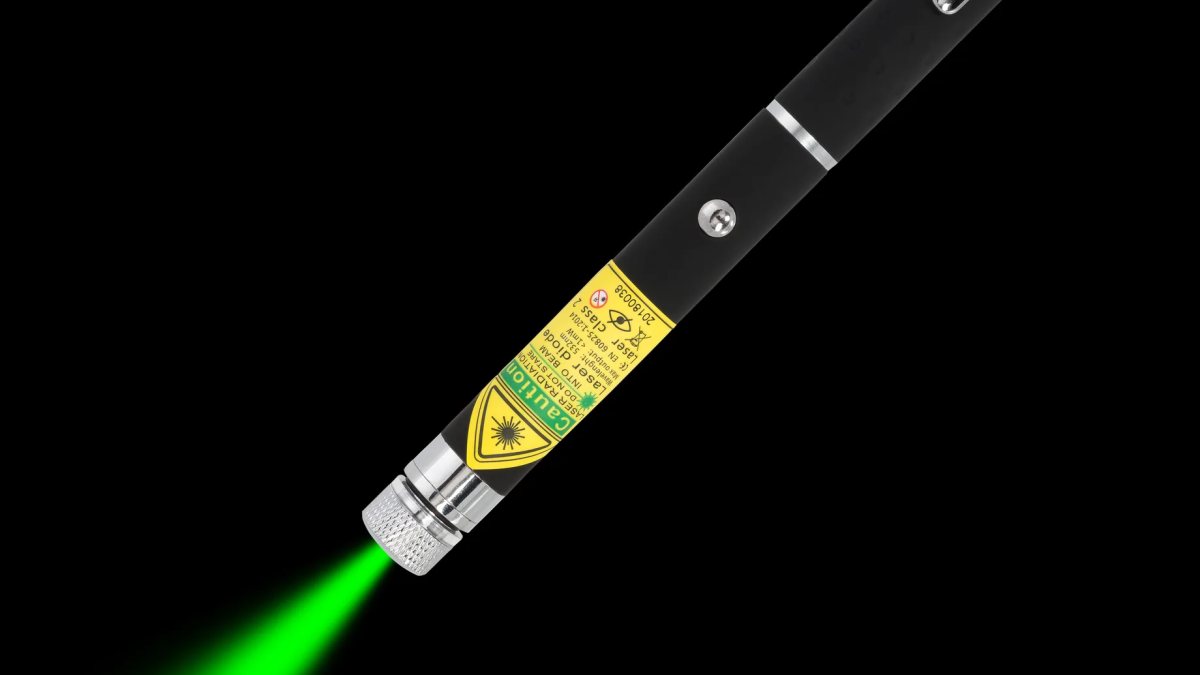
How to Keep Pigeons off Your Roof with a Laser Pointer
Pigeons on the ridge, in the gutter and on the solar panels? How to use a green laser pointer to break their e…